


Major-program experience
Experience spanning rail, transit and civil infrastructure programs at local, regional and international levels.
PEOPLE · EXPERIENCE · BETTER INFRASTRUCTURE
40+ years across rail, transit, civil infrastructure, substation design and major capital programs—connecting engineering, procurement, construction and owner priorities.
NEW / INTEGRATED EPC LEADERSHIP
One senior point of coordination across scope, specialists, suppliers, contractors and the owner’s next decision.
Senior engineering and project advisory for public agencies, infrastructure owners and consulting teams.
Strategic direction and coordinated delivery for complex rail and transit programs.
For agencies & rail teams→Independent perspective, clear governance and senior-level owner representation.
For infrastructure owners→Connect civil works, utilities, stations and structures into one coordinated design.
For developers & design teams→Review risks and constructability. Prioritize decisions and establish a path forward.
For teams under delivery pressure→Strengthen technical proposals, multidisciplinary teaming and major-program positioning.
For engineering & consulting firms→Luay’s prior experience through the named employers. Online photos show the site or system, not proof of personal scope. Offline visuals are labeled design illustrations.
Experience spanning rail, transit and civil infrastructure programs at local, regional and international levels.
An understanding of owner priorities, agency coordination and community interfaces.
Connect engineering, planning, construction and program decisions.
Keep scope, risk, cost and schedule visible as the project moves forward.
SERVICES / EPC, RAIL & CIVIL DELIVERY
Engineering judgment, program direction and owner-side support—without losing sight of the next decision.
For agencies and project owners who need an experienced principal to connect technical decisions with delivery priorities.
Discuss an advisory engagement →Review the available design, scope, schedule, risks and decision backlog.
Identify civil, rail, structural and utility coordination issues that need action.
Define decisions, responsibilities and a practical sequence for moving forward.
Support owner meetings, consultant coordination, reviews and delivery oversight.
CAPABILITIES / SELECT THE SUPPORT YOU NEED
A focused engagement or senior support within your team. Start with the challenge—and shape the scope around what your project actually needs.
Grading, drainage, utilities, roadways and site coordination—developed into practical plans, estimates and approval packages.
For owners & developers ↗Bring stations, track, structures, roadways and utility interfaces into a coordinated view of the wider program.
For agencies & rail teams ↗Senior support for program governance, consultant coordination, stakeholder decisions and design-to-construction transitions.
For project & program owners ↗Review design interfaces, staging, quantities and practical delivery constraints before unresolved details reach the field.
For design & construction teams ↗Cost, schedule and risk review to clarify priorities, expose delivery gaps and establish a focused path forward.
For teams facing delivery pressure ↗Executive perspective on client strategy, technical proposals, multidisciplinary teaming and infrastructure-market development.
For engineering & consulting firms ↗Services shown are proposed engagement areas. Final scope, staffing, professional responsibility and jurisdictional requirements are agreed before work begins.
A PRACTICAL WAY TO BEGIN
What needs to move forward? Share the location, stage, scope and immediate challenge.
Agree the deliverables, responsibilities, schedule and the right level of technical involvement.
Establish clear priorities, communication and a practical framework for the work ahead.
Selected records connect Luay’s historical roles to the coordination clients need today. Experience shown below was gained with the named employers and agencies.
The October 6, 2013 organization chart names Luay Aljamal, P.E., as both Project Director and Principal-in-Charge. The team spans civil and roadway, drainage and utilities, track, signals and communications, structures, environmental, geotechnical, specifications and estimating.
The February 1, 2010 team chart identifies Luay as Project Manager, with separate systems integration, design leadership and construction staging functions. This is a concrete example of coordinating design disciplines and delivery interfaces.
Work-directive proposals identify Luay as GEC Program Manager for signal optimization, fiber-optic field-device connectivity and data-communication support. Other records address environmental work and stormwater planning at the South Terminal.
May 2013 meeting records list Luay among the mobilization participants. The records show the practical organization, staffing and deployment work behind a major program start-up.
The supplied emergency-generator upgrade proposal and staffing material include Luay in program management. This supports experience coordinating specialist power scope within an infrastructure assignment; it does not establish turbine-plant construction delivery.
An archived HNTB recognition article describes client praise for the Caltrain team and includes Luay in the pictured team. Recognition belongs to the team and is presented as historical evidence, rather than an individual award.
| Delivery need | Relevant experience | Proposed Amarat support |
|---|---|---|
| Multidiscipline interfaces | SAR branches and Fairfield team structures | Responsibility matrix, interface register and coordinated design reviews |
| Supplier and consultant scopes | Caltrain work directives and subconsultant coordination | Scope reconciliation, technical bid review and deliverable tracking |
| Program start-up | Riyadh Metro mobilization records | Staffing plan, governance, deployment milestones and reporting |
| Reliable infrastructure | Signals, communications and emergency-generator scopes | Specialist coordination and acceptance planning for critical interfaces |
| Controlled handover | GEC work-directive services framework | Monthly progress reviews, change tracking and closeout planning |
Organization charts document assigned roles; proposals document planned scope. These historical records do not imply that Amarat was the contracting firm or that every proposed task was completed.
PROJECTS / EXPERIENCE THAT CONNECTS
Explore 23 profiles across rail, bridges, public works, water, utilities and site development.
Prior experience through the employers named—not represented as Amarat prime contracts or current agency endorsements.
CREDENTIALS / QUALIFICATIONS YOU CAN EXPLORE
Original engineering registrations and seven distinct training certificates, presented in a readable document gallery.
04 / PROFESSIONAL CREDENTIALS
Civil engineering registrations in Washington and Oregon. Explore the original certificates, with registration numbers clearly identified.
STATE OF WASHINGTON
Civil Engineering
Luay Khamis Al-Jamal
STATE OF OREGON
Civil Engineering
Luay Khamis Al-Jamal
Certificates document original registration. Current active status and renewal have not been independently verified for this preview. These are individual credentials, not firm registrations or nationwide licensure.
05 / TRAINING & PROFESSIONAL DEVELOPMENT
Seven distinct course certificates spanning transit planning, project delivery, professional services and technical design. Open each card to view the supplied record.
Historical training, precisely stated. PDH = professional development hours; CEU = continuing education unit. Dates and credits follow the certificates. Duplicate scans appear once. These records are not a claim of current license-renewal credit, active membership or present-day training compliance.
View the supplied professional registration and renewal records. Confirm current status with the applicable licensing board before relying on a historical document.
Professional Engineer certificate (2026) ↗ Registration renewal record ↗
Luay K. Aljamal, P.E., brings 40+ years across public agencies, global consultancies and owner-side programs. His experience connects rail and transit, bridges, roads, utilities, water resources, institutional facilities and civil/site development in the United States and Saudi Arabia.
The supplied resume describes recovery of challenged rail delivery through staffing, governance, project controls, design review and client alignment.
Former COO and consulting-practice leader with operations, workforce planning, strategic pursuits and multidisciplinary delivery responsibilities.
Experience from feasibility and alternatives through design-build coordination, permits, bid documents, construction support and acceptance planning.
Engagements may be structured as independent consulting, C2C, interim leadership, monthly retainer or defined-scope assignments.
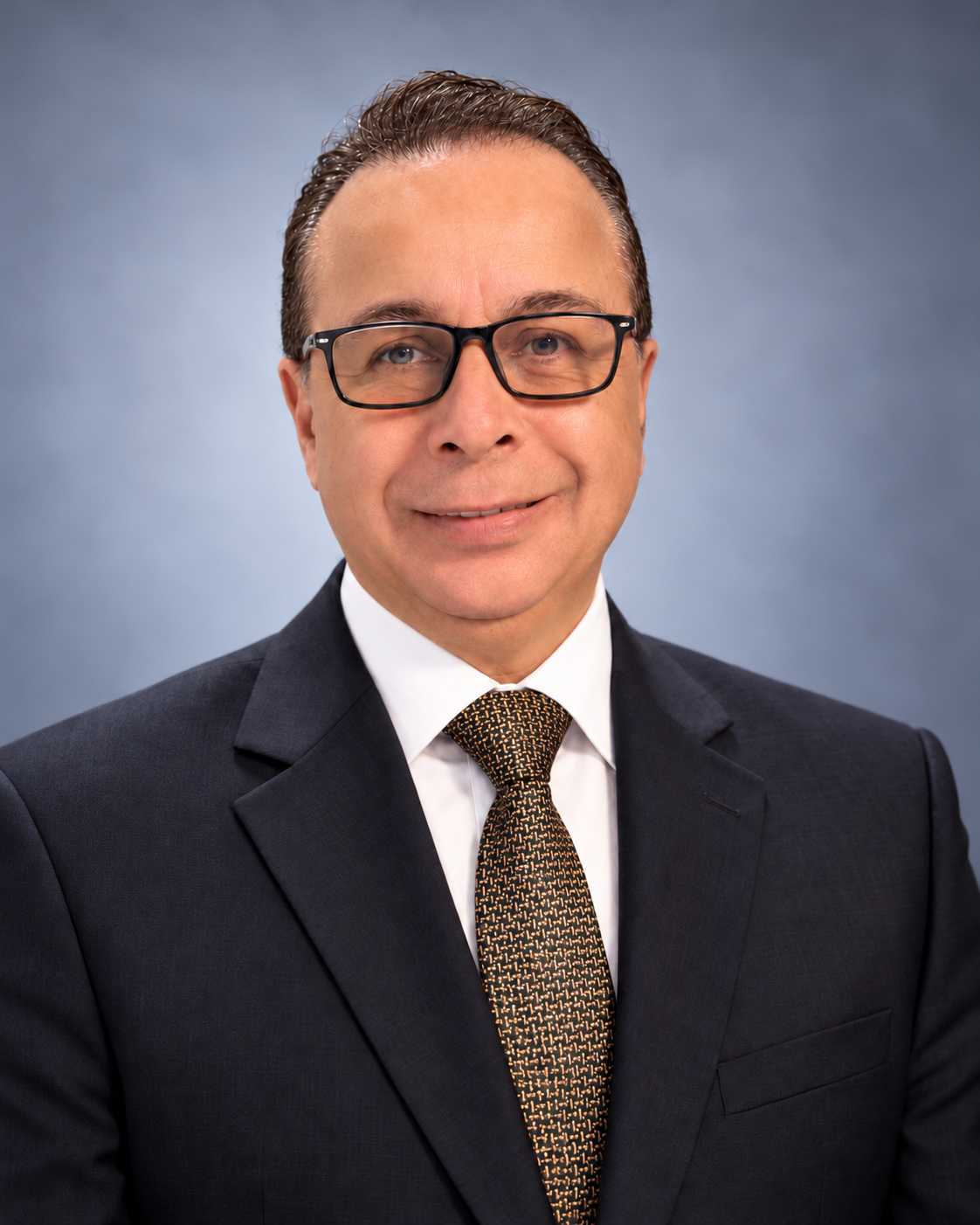
ABOUT / MEET YOUR PRINCIPAL
Engineering judgment that connects design with delivery.
Luay’s experience spans public-agency engineering, consulting-practice leadership and international rail-program direction. His project history brings together civil design, owner representation, multidisciplinary coordination and business development.
That combination shapes the proposed AMARAT approach: work directly with the principal, define the real problem, and bring the right technical and delivery perspective to the table.
Original registration certificates are available below. View licenses ↗
CAREER EXPERIENCE THROUGH ROLES AT
Begin with the real problem, define the scope and make the responsibilities clear.
Career experience brings together public-agency engineering, consulting-practice leadership and international program direction.
Bring civil design, utilities, rail, structures, stakeholders and construction considerations into the same conversation.
Agree deliverables, professional responsibility, timing and any specialist support before the engagement begins.
Supplied 65% plan-set material and marked-up sheets show architectural, electrical and communications interfaces. The source material is historical and includes “Not for Construction” sheets. Markups are review records, not issued construction approvals.
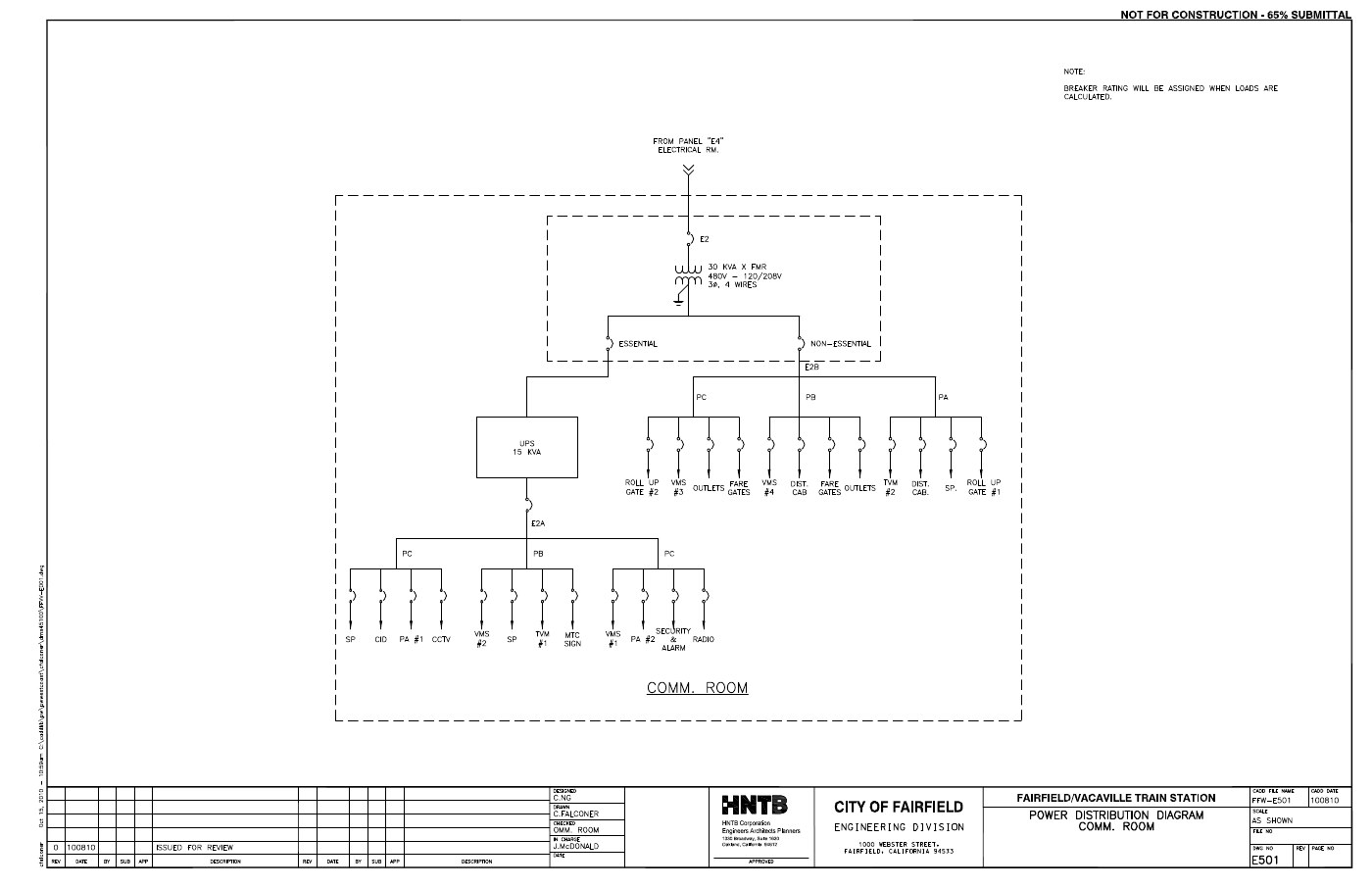
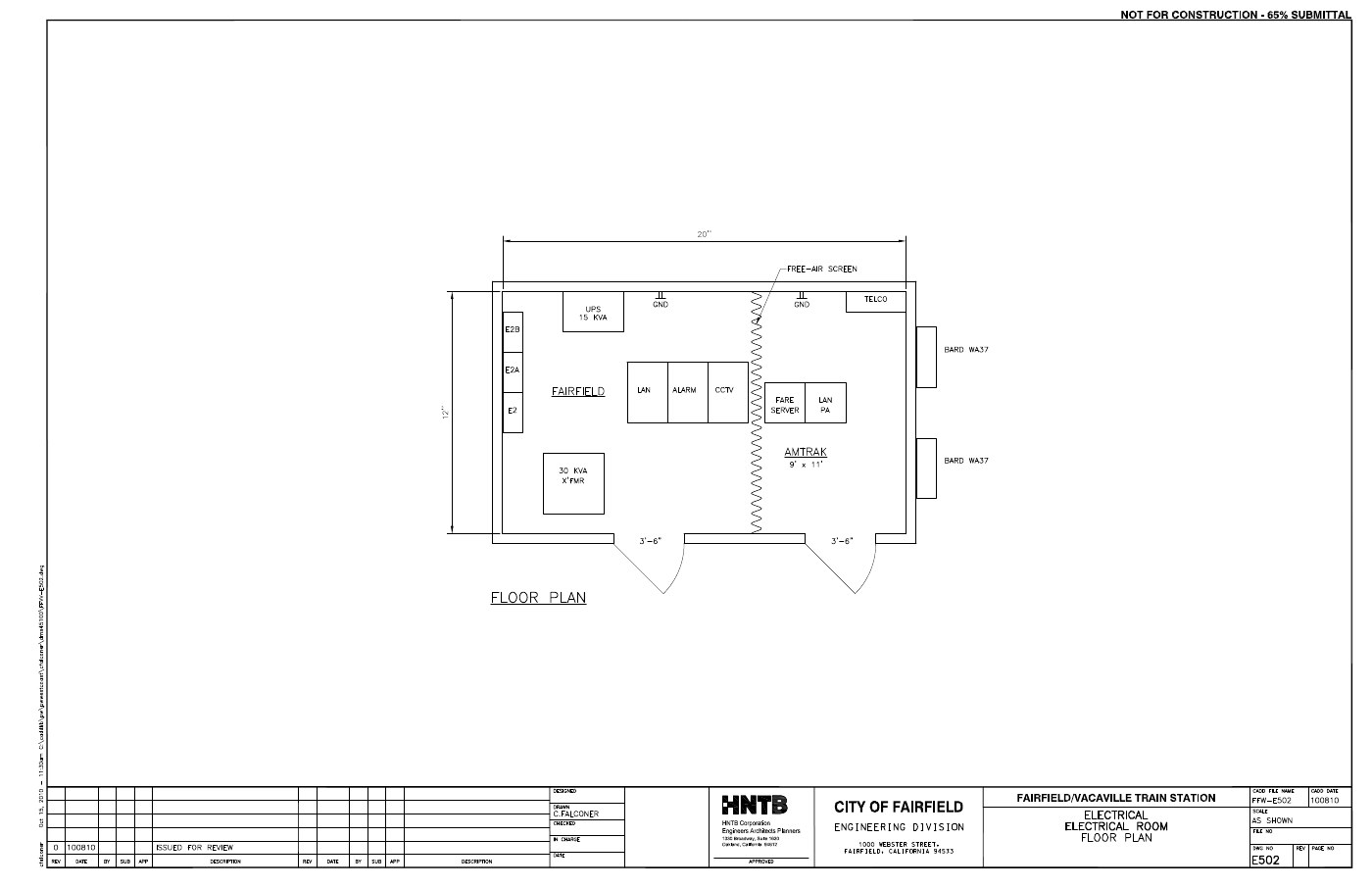
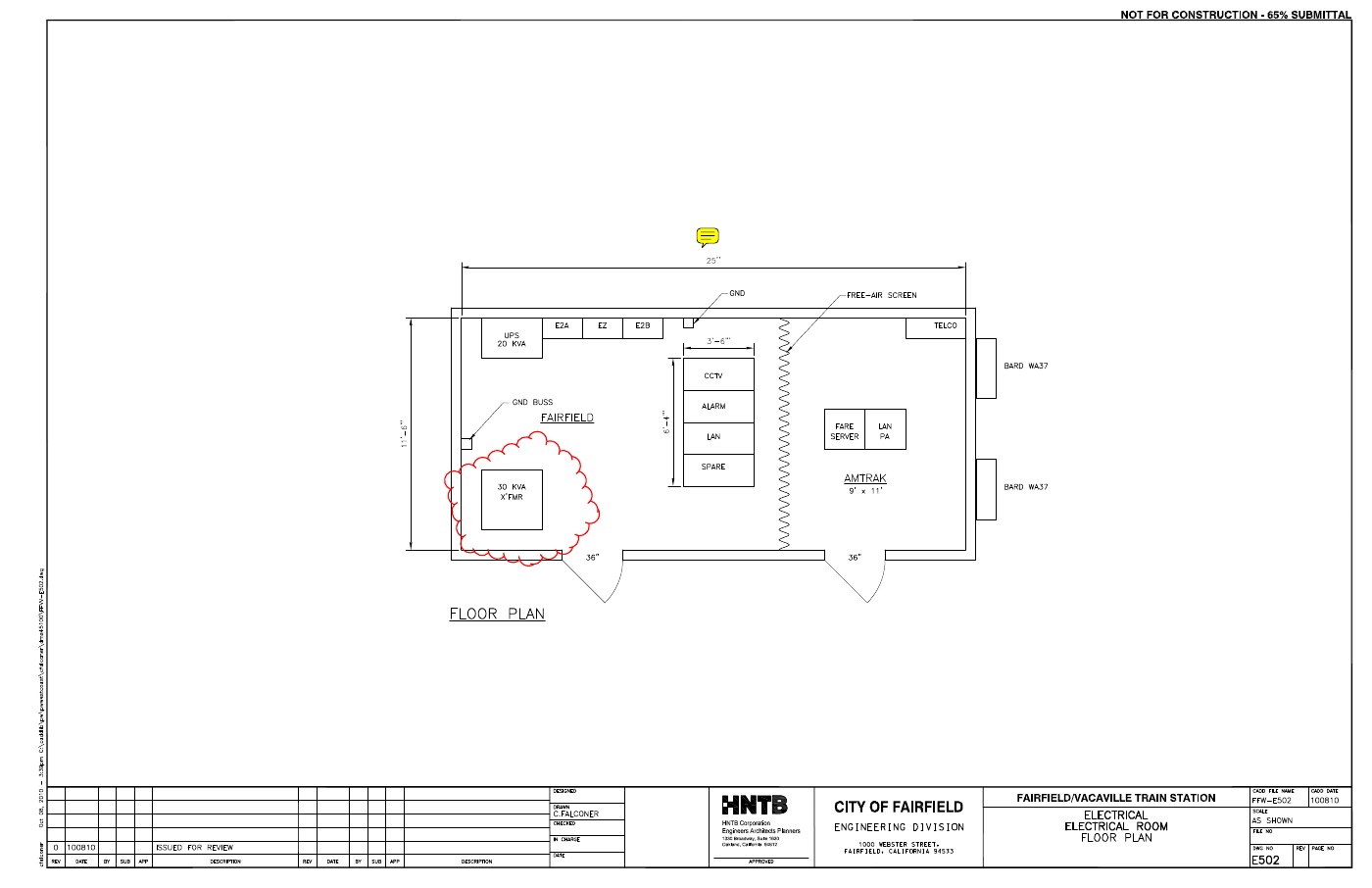
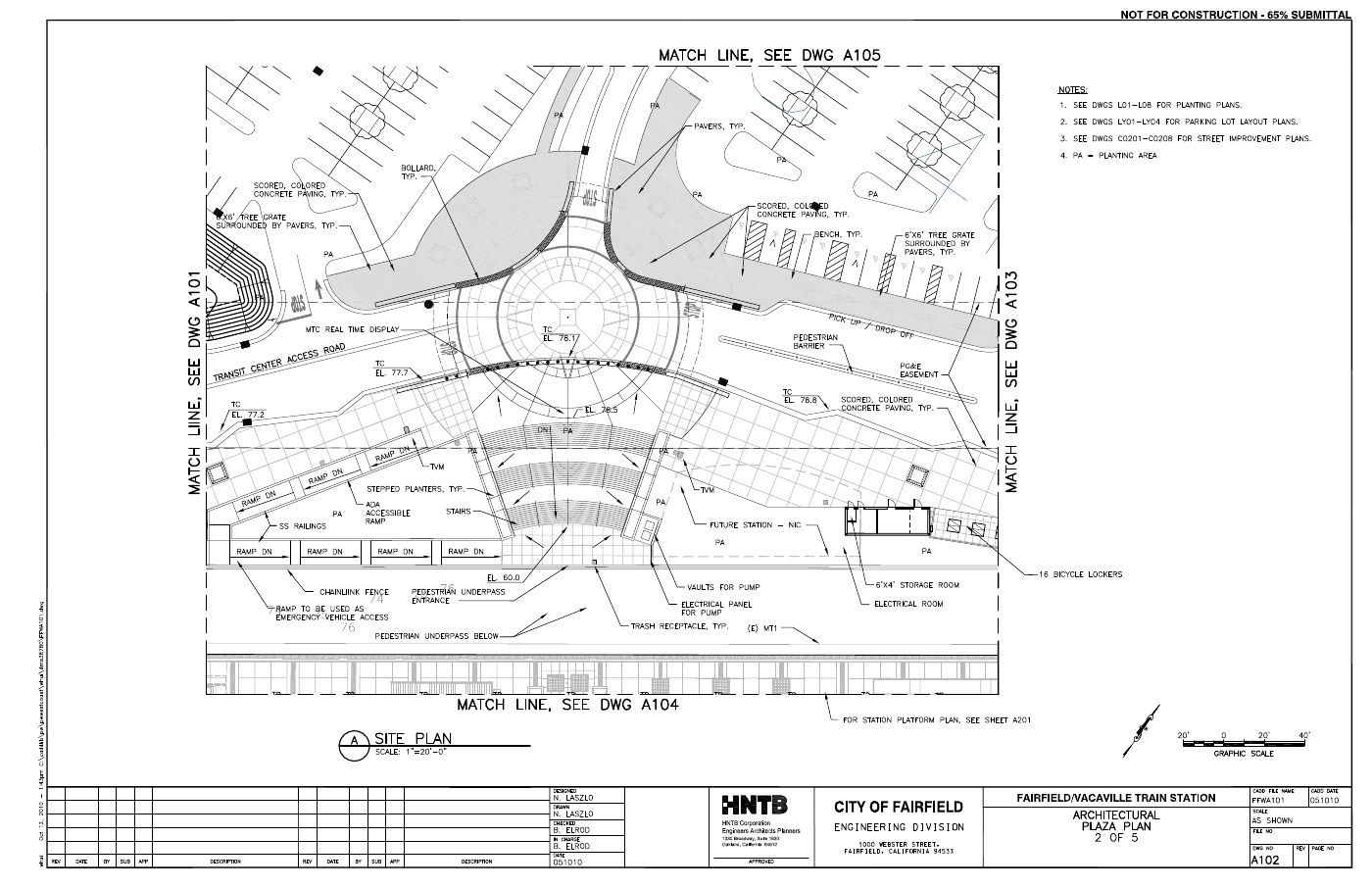
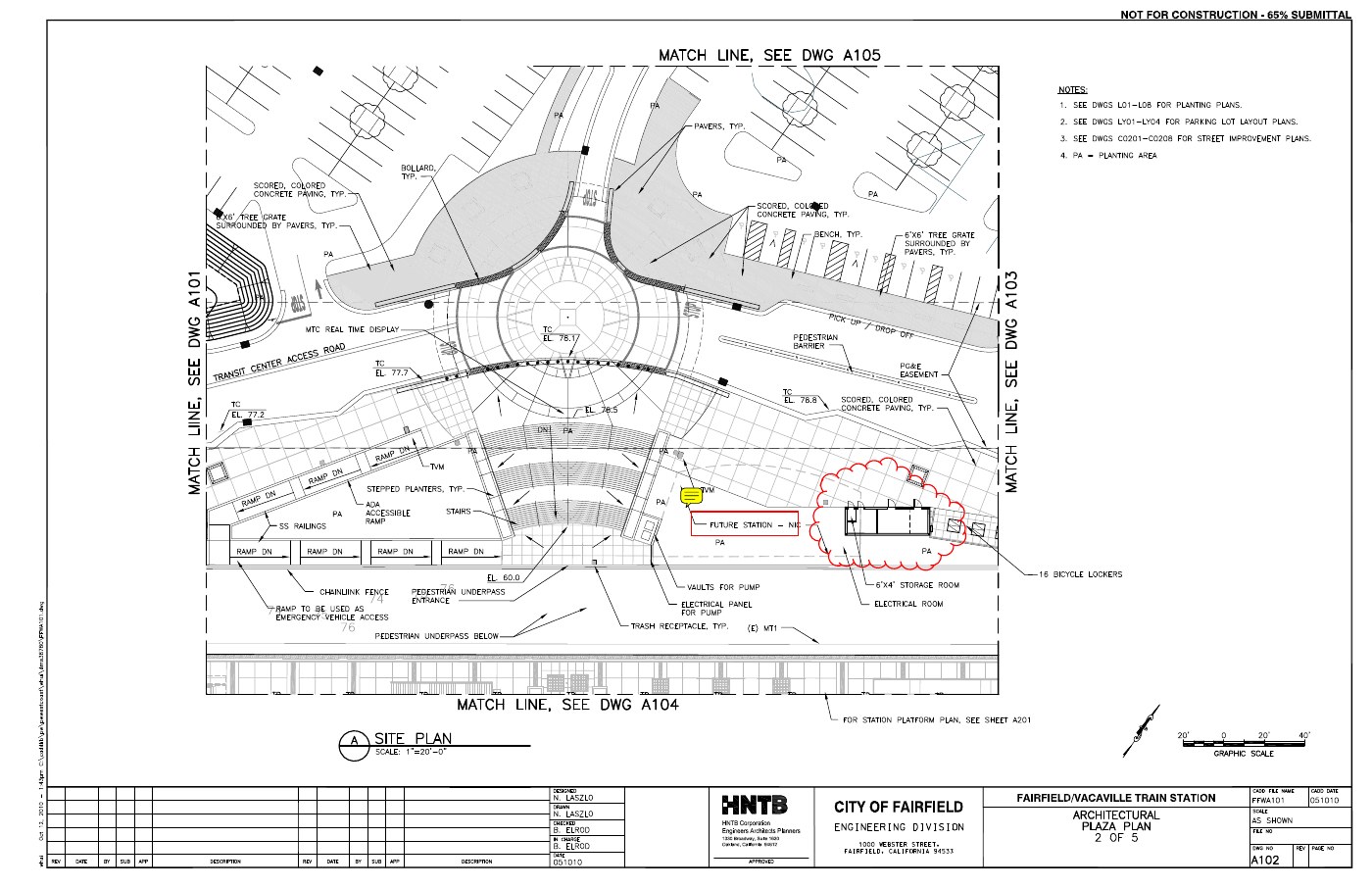
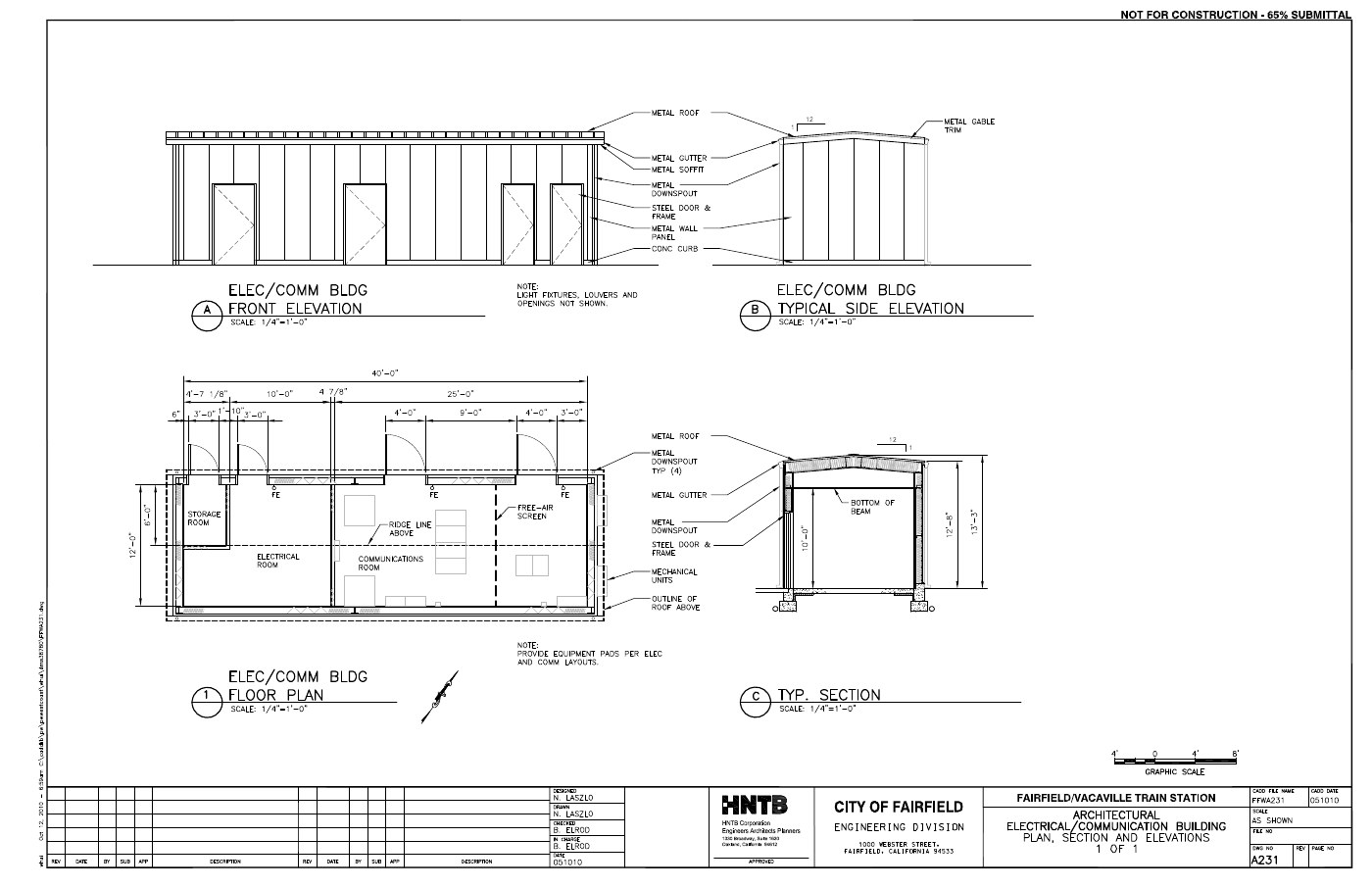
WD 4733, January 27, 2009: proposal for signal optimization and second ATCS channel projects, naming Luay Al-Jamal as GEC Program Manager. Scope includes safety, quality records, submittals, RFIs, shop/as-built drawings, changes, claims and project closeout. A proposal documents intended scope; it is not evidence by itself that every listed task was completed.
ARCHIVE / RECOGNITION, STUDIES & PRESS
Explore the recognition, crossing studies and historical coverage behind the professional story.
Historical records are shown for professional context; rights remain with their respective owners.
07 / START A CONVERSATION
A site that needs a path forward.
A rail program with difficult interfaces.
A project team that needs senior perspective.
Tell Luay where you are—and what needs to happen next.
luay.aljamal@Amaratllc.com ↗+1 408 612 2808Portland, Oregon · U.S. & Saudi Arabia project experienceA few details make the first conversation more useful.
Project and program records add concrete context to the EPC approach: multidisciplinary rail design, signals and communications, environmental interfaces, mobilization and emergency-power coordination.
Review documented experience →EPC / ENGINEERING · PROCUREMENT · CONSTRUCTION
Executive leadership and owner representation across engineering, procurement and construction—from a clear project basis to commissioning and handover.
Coordinate civil, structural, electrical, mechanical, controls and utility teams. Connect design criteria, studies, drawings, specifications and constructability reviews.
Develop common bid requirements, evaluate technical scope and exclusions, coordinate supplier interfaces and track long-lead equipment, guarantees and delivery milestones.
Support staging, contractor performance, submittals, RFIs, quality, change control, acceptance planning and closeout with a visible owner decision trail.
Independent executive oversight of the owner’s EPC team, technical advisers and contractors. Define responsibilities and hold decisions, scope, cost and schedule together.
Program direction, multidisciplinary coordination, delivery recovery and project controls within a defined owner or delivery-team assignment.
Design and constructability review, interface registers, procurement package checks and commissioning readiness with qualified discipline specialists.
Engagement scope: contractor licensing, specialist engineering, staffing and construction execution responsibilities will be established for each engagement. Amarat is not presented here as the turnkey constructor of prior employer projects.
Agree the load or operating need, site constraints, performance requirements, risk allocation and delivery model.
Align studies, design packages, estimates, equipment specifications and the integrated schedule.
Control vendor interfaces, site readiness, construction sequencing, changes and quality records.
Establish acceptance criteria, coordinate witnessed tests, resolve punch items and deliver records, training and operating documentation.
HNTB Senior Project Manager: station, bridge, pedestrian underpass, track, traffic and utility interfaces. Supplied architectural and electrical sheets illustrate multidisciplinary coordination.
HNTB program leadership and construction-management scope coordination. Work Directive 4733 names Luay as GEC Program Manager and covers signals, crossings and ATCS channels.
Track and station design, utility relocation, construction support and intergovernmental coordination; the resume reports 20% construction-cost savings through value engineering.
Winzler & Kelly: hazardous-material facility civil design, school-campus development, utilities, drainage, permitting and construction support.
POWER + DIGITAL INFRASTRUCTURE
Historical SamTrans North Base generator-upgrade records include Luay in program management. That experience informs owner-side coordination of specialist electrical work. The gas-turbine campus material below remains a separate development concept.
POWER & DATA CENTERS / DEVELOPMENT CONCEPT
Feasibility, site screening, procurement coordination and owner-side delivery planning for gas-turbine power and data-center infrastructure.
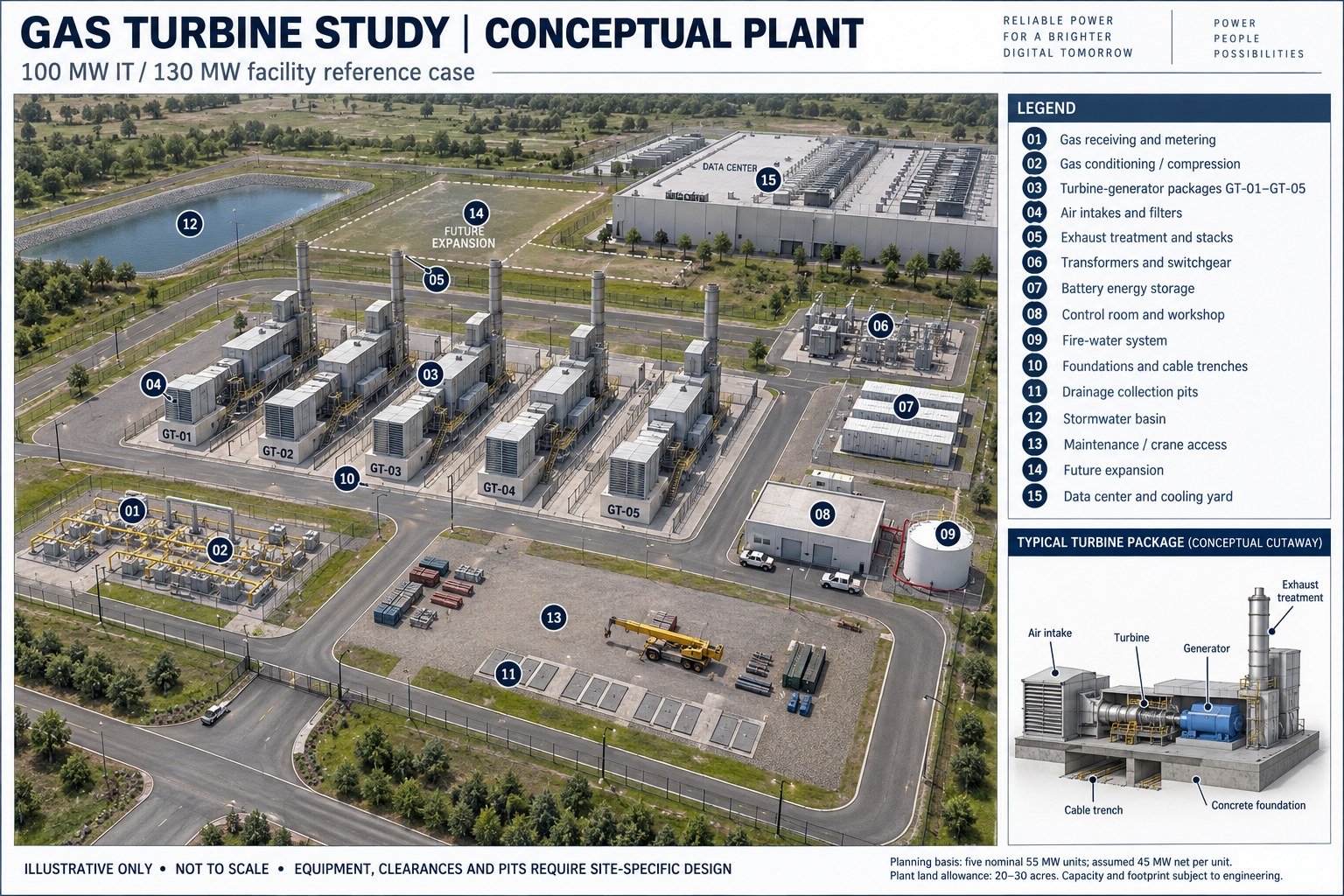
CAMPUS DEVELOPMENT CONCEPT
At an assumed design PUE of 1.30, the IT load becomes 130 MW facility load. The reports apply 10% screening headroom, giving a 143 MW target with one unit unavailable.
Five units at an assumed 45 MW dependable net output leave 180 MW after one outage. Four units at 50 MW leave 150 MW. Exact selection depends on guaranteed site output and reliability studies.
SEPARATE FEASIBILITY CASE
The other feasibility report evaluates five units at 25.6 MW site-net, with a 2% downstream-loss allowance, independent emergency supply and UPS.
This is a different load and resilience basis. Its $600 million model and 40–60 acre power-site reservation are not combined with the 130 MW campus concept.
The campus concept uses a 20–30 acre preliminary power-site reservation, excluding data-center buildings and cooling yards. All capacity, land, cost and schedule inputs require site studies and supplier proposals.
Buildable land, access, gas pressure and firm transportation, diverse fiber paths, cooling and water needs, title, drainage and environmental constraints.
Civil layout, foundations, fuel equipment, switchgear, transformers, A/B distribution, controls, UPS, backup supply, fire systems and maintenance access.
Compare U.S., China, Sweden/Europe and Japan sourcing routes on site-net performance, 60 Hz configuration, compliance, service, spares, origin, shipping and delivery risk.
Study turbine trips, bus faults, fuel loss, black start and cooling restart. Installed N+1 megawatts alone do not demonstrate uninterrupted power or a certified uptime tier.
Establish the customer and operating requirement; screen properties; secure conditional site control; appoint qualified power and permitting specialists; reconcile FEED, OEM and EPC proposals; then align fuel, tenant, finance and delivery agreements.
Based on the supplied Gas Turbine Data Center Feasibility Report, Data Center Gas Power Development Report, Power Concept and Site Requirements brief, Country Comparison workbook and labeled rendering. The source models differ in load definition, unit size, land scope and resilience package. They are development studies, not completed Amarat power projects, vendor quotations or guaranteed commercial offers.